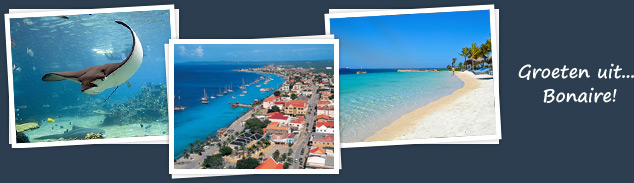
Bonaire
 Bonaire aanbiedingen



- Remote wildlife encounters and https://golden-lions.co.uk offer exceptional Botswana safari experiences
- Understanding the Botswana Safari Landscape
- The Importance of Responsible Tourism
- Exploring the Okavango Delta
- Mokoro Adventures and Water Safaris
- Chobe National Park: Elephant Paradise
- Wildlife Viewing Strategies in Chobe
- Beyond the Delta and Chobe: Other Botswana Destinations
- The Future of Botswana Safaris: Conservation and Community
Remote wildlife encounters and https://golden-lions.co.uk offer exceptional Botswana safari experiences
Botswana offers a safari experience unlike any other, a realm of untamed wilderness and breathtaking beauty. For those seeking authentic encounters with Africa's incredible wildlife, a journey to this southern African nation is a must. Many operators specialize in crafting bespoke safari adventures, and https://golden-lions.co.uk is a prime example of a company dedicated to providing exceptional Botswana safari experiences. They focus on delivering immersive journeys that respect the environment and support local communities, ensuring a sustainable and unforgettable adventure for every traveler.
The allure of Botswana lies in its diverse ecosystems, ranging from the vast Kalahari Desert to the intricate waterways of the Okavango Delta and the abundant wildlife of Chobe National Park. Unlike more crowded safari destinations, Botswana maintains a commitment to low-impact tourism, preserving the pristine nature of its landscapes. This careful approach allows visitors to witness wildlife in its natural habitat, often with a sense of exclusivity and tranquility. A well-planned safari with a reputable operator like those found through resources focusing on Botswana travel can truly transform a vacation into a life-changing experience.
Understanding the Botswana Safari Landscape
Botswana’s safari offerings are incredibly diverse, catering to a wide spectrum of travelers. From luxurious lodges nestled along the riverbanks to mobile tented camps that move with the seasons, accommodation options are plentiful. The country’s commitment to preserving its natural heritage means that safari activities are often conducted with the utmost respect for the environment. Game drives, walking safaris, and mokoro (traditional dugout canoe) excursions are just a few of the ways to explore this remarkable region. Choosing the right time of year is crucial, as Botswana experiences distinct wet and dry seasons that dramatically impact wildlife viewing opportunities and accessibility. The dry season, from May to October, is generally considered the best time for game viewing, as animals congregate around water sources. The wet season, however, brings a lushness to the landscape and offers unique birding opportunities.
The Importance of Responsible Tourism
Sustainable tourism is paramount in Botswana, and selecting a tour operator that prioritizes responsible practices is essential. This includes supporting local communities through employment and sourcing local products, minimizing environmental impact by adhering to strict guidelines, and contributing to conservation efforts. Many lodges and operators actively participate in anti-poaching initiatives and work closely with local communities to ensure that tourism benefits everyone involved. Choosing a company dedicated to ethical and sustainable practices not only enhances your safari experience but also helps preserve this incredible environment for future generations. Consider operators with certifications demonstrating their commitment to responsible travel, and look for those actively involved in conservation projects.
A crucial component of responsible tourism is minimizing your carbon footprint. Operators are increasingly offering eco-friendly options, such as solar-powered lodges and utilizing vehicles with lower emissions. Travelers can also contribute by making conscious choices such as bringing reusable water bottles, avoiding single-use plastics, and respecting wildlife by maintaining a safe distance. The future of Botswana’s safari industry relies on the collective effort of operators and visitors to protect this fragile ecosystem.
The cost of a safari in Botswana can vary greatly depending on the level of luxury and the length of the trip. However, it is an investment in an unforgettable experience, one that supports conservation and local communities. Planning your trip with a reliable operator is critical, as they can tailor the experience to your specific budget and interests.
| Mobile Tented Camp (Basic) | $300 – $500 |
| Luxury Lodge | $800 – $1500+ |
| Fly-In Safari (per person, per night) | $1200 – $2500+ |
These costs are estimates and can vary depending on the season and availability.
Exploring the Okavango Delta
The Okavango Delta, a UNESCO World Heritage site, is arguably the jewel of Botswana’s safari landscape. This vast inland river system supports an extraordinary concentration of wildlife, attracting visitors from around the globe. The Delta is unique because it doesn’t have a traditional river mouth; instead, the Okavango River flows inland, creating a labyrinth of lagoons, islands, and channels. Exploring the Delta by mokoro offers an unparalleled perspective, allowing you to glide silently through the waterways and observe wildlife up close. The birdlife in the Okavango Delta is exceptional, with over 500 species recorded. The annual flooding of the Delta creates a dynamic ecosystem, transforming the landscape and influencing wildlife movements. Many safari camps are located within the Delta, offering immersive experiences and opportunities for both game drives and water-based activities.
Mokoro Adventures and Water Safaris
A mokoro safari is an iconic Botswana experience. These traditional dugout canoes, propelled by a skilled poler, offer a peaceful and intimate way to explore the waterways of the Okavango Delta. You can often get incredibly close to wildlife without disturbing them, making it a photographer’s dream. Water safaris are also popular, offering the chance to spot hippos, crocodiles, and a variety of aquatic birds. Remember to always follow the guidance of your guide and maintain a safe distance from wildlife. The tranquility of the Delta, combined with the abundance of wildlife, makes it a truly special place to visit. Many camps also offer walking safaris on the islands within the Delta, providing a different perspective on the landscape and an opportunity to learn about the smaller details of the ecosystem.
- Mokoro safaris are best experienced during the high-water season (May-October).
- Always wear a hat, sunscreen, and insect repellent.
- Bring binoculars for optimal wildlife viewing.
- Listen to your guide's instructions regarding safety and wildlife interactions.
The Okavango Delta isn't just about wildlife; it's about experiencing a unique ecosystem, a delicate balance between water, land, and life.
Chobe National Park: Elephant Paradise
Chobe National Park, located in northern Botswana, is renowned for its exceptionally large elephant population – one of the largest in Africa. The park is also home to a diverse range of other wildlife, including lions, leopards, wild dogs, and abundant birdlife. Chobe is particularly well-known for its riverfront area, where animals congregate along the Chobe River during the dry season. Game drives along the riverfront provide excellent opportunities for wildlife viewing, and boat safaris offer a unique perspective from the water. The park's landscape is varied, ranging from lush forests to open grasslands and rocky outcrops, providing diverse habitats for a variety of species. Chobe National Park is easily accessible from Kasane, making it a popular destination for safari enthusiasts.
Wildlife Viewing Strategies in Chobe
The best time to visit Chobe National Park is during the dry season (May-October) when wildlife is concentrated around the river. Early morning and late afternoon game drives are particularly productive, as animals are most active during these cooler hours. Boat safaris on the Chobe River offer a different perspective and are a great way to see elephants, hippos, and crocodiles up close. Consider combining game drives with boat safaris for a more comprehensive wildlife viewing experience. It is also important to be patient and observant – sometimes the most rewarding sightings come when you least expect them.
- Pack light-colored clothing to avoid attracting mosquitoes.
- Bring a good quality camera with a zoom lens.
- Stay hydrated by drinking plenty of water.
- Respect wildlife and maintain a safe distance.
Chobe National Park represents a conservation success story, demonstrating the importance of protecting vital wildlife habitats. The dedication of the Botswana government and local communities to preserving this incredible ecosystem is commendable.
Beyond the Delta and Chobe: Other Botswana Destinations
While the Okavango Delta and Chobe National Park are undoubtedly the headline attractions, Botswana offers a wealth of other safari destinations. The Kalahari Desert, though arid, supports a surprising amount of wildlife, including black-maned lions, cheetahs, and a variety of antelope. The Makgadikgadi Pans National Park, a vast salt pan complex, transforms into a breathtaking landscape during the wet season, attracting flocks of flamingos and other migratory birds. Nxai Pan National Park, known for its baobab trees and abundant wildlife, offers a more remote and exclusive safari experience. These lesser-known destinations provide opportunities to escape the crowds and connect with the raw beauty of Botswana.
These areas provide a different side to the Botswana safari story, a challenge to the more typical expectations. The stark beauty of the desert landscapes, combined with the resilience of the wildlife, is a testament to the power of adaptation and survival. Exploring these less-visited parks requires a greater degree of planning and preparation, but the rewards are well worth the effort.
The Future of Botswana Safaris: Conservation and Community
The ongoing success of Botswana’s tourism industry relies on a continued commitment to conservation and community development. Investing in anti-poaching efforts, habitat preservation, and sustainable tourism practices is crucial for protecting the country’s natural heritage. Supporting local communities through employment opportunities and revenue-sharing initiatives ensures that tourism benefits everyone involved. The development of ecotourism lodges and camps that minimize their environmental impact is also essential. Botswana’s success story can serve as a model for other African nations seeking to harness the power of tourism for conservation and economic growth. A commitment from operators, like those highlighted within https://golden-lions.co.uk, to these principles is critical for the long-term sustainability of the Botswana safari experience.
Looking ahead, innovative approaches to tourism are needed to address the challenges of climate change and growing visitor numbers. This includes exploring alternative energy sources, reducing waste, and promoting responsible wildlife viewing practices. Botswana has the potential to remain a world-class safari destination for generations to come, but only if it continues to prioritize conservation and community development. It’s a journey, not just a destination.