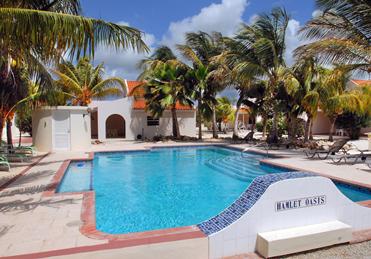
Bonaire
 Bonaire aanbiedingen



Most players who load up Irwin Casino are not settling in for a marathon. They are on a break, on a bus, or half-watching something else while thumbing through a few spins. The dominant behaviour here is short, high-intensity play — the kind where you open a game, make a handful of decisions, and either cash out or move on within minutes. Understanding that rhythm changes how you approach everything from game selection to bankroll sizing.
If you have spent any time browsing forums or review hubs, you have probably seen irwin.radio.fm mentioned alongside the brand. What those discussions tend to circle back to is speed — how quickly a session can start, peak, and end. That is the lens this piece takes. No long-haul grinding, no slow-building progression. Just the quick, punchy style of play that suits the platform’s 8,800-game library and its mobile-first design.
Why the Short Session Format Dominates
The modern player’s attention is fragmented. A typical Irwin Casino visit might last eight minutes. You log in, check your balance, jump into a crash game or fire off twenty spins on a slot, and then you are gone. This is not a criticism — it is simply how the platform gets used. The mobile apps for Android and iOS are built for exactly this: fast loading, thumb-friendly controls, and a lobby that does not bury the good stuff under three menus.
Consider a realistic scenario. You are waiting for a coffee. You open the app, deposit a small amount via Skrill or Paysafecard, and head straight to a crash game. The multiplier climbs, you cash out at 2.1x, and you are done before the coffee arrives. That entire interaction — deposit, play, withdraw request — fits into a window shorter than most people spend scrolling social media.
- Session length: typically under fifteen minutes
- Preferred games: crash, instant wins, fast slots, scratchcards
- Deposit style: small, frequent top-ups rather than one large load
- Exit trigger: a target multiplier hit or a quick loss limit reached
This pattern rewards discipline more than patience. Players who thrive in short bursts tend to set a hard stop before they even open a game. Not a vague “I’ll stop when I’m down” — an actual number. Because when the session is this compressed, there is no time for a slow emotional drift. You are either in and out cleanly, or you are chasing.
Game Choice for the Quick-Hit Player
Not every game in the library suits a five-minute visit. Live dealer blackjack, for instance, is a poor fit if you are on a lunch break — the shoe moves at its own pace, and the social rhythm of a live table rewards lingering. The quick-hit player gravitates elsewhere.
What Gets Played in a Short Window
Crash games are the obvious centrepiece. One decision, one outcome, repeat. Instant games and scratchcards offer the same appeal — no learning curve, no waiting. Slots work too, provided you pick titles with fast spin cycles and bonus features that trigger without a hundred-spin build-up. The 98 studios supplying content mean there is no shortage of options, but the smart short-session player filters ruthlessly.
Video poker and roulette sit in a middle ground. A dozen hands of video poker can be a satisfying six-minute session if you are playing for small stakes and treating it as a puzzle rather than a payday. Roulette, especially the fast electronic variants, compresses well. What you avoid in this mode is anything with a long onboarding — no ten-minute bonus rounds, no multi-stage tournaments that demand sustained attention.
- Crash and instant games: one-tap decisions, immediate resolution
- Fast slots: short spin animations, frequent feature triggers
- Scratchcards: zero strategy, pure outcome, ideal for a two-minute hit
- Electronic roulette: quick rounds, simple outside bets
Risk Control When You Only Have Minutes
Here is where the short-session player separates from the impulsive one. Intensity does not have to mean recklessness. In fact, the compressed format makes risk control easier to enforce, not harder. You are not managing a four-hour bankroll; you are managing a ten-minute one.
A practical approach many players adopt: divide your session budget into five equal chunks. Each chunk funds one game or one round of spins. If a chunk evaporates, you move to the next. When the fifth is gone, the session is over. No reloading, no “one more deposit.” This structure works precisely because the session is short enough to hold in your head without a spreadsheet.
Stake sizing follows the same logic. If your session budget is modest, betting the maximum on a single crash round defeats the purpose. The goal is to stay in play long enough for a couple of decisions, not to double up on the first hand. Players who treat each short visit as a discrete event — with its own start and end — tend to report far less frustration than those who blur sessions together and lose track of what they have spent across a day.
The Withdrawal Habit
Fast withdrawals matter enormously in this pattern. If you hit a target early in a short session, you want the money out before the urge to reinvest kicks in. Irwin Casino’s crypto and e-wallet options support this — Bitcoin, Ethereum, Skrill and Neteller all move quickly. The discipline of withdrawing mid-session, rather than letting a balance sit and tempt you, is the single most effective risk tool available to the quick-hit player.
Mobile Mechanics and the Repeated Visit
The app experience shapes behaviour more than most players realise. A responsive mobile site and dedicated apps mean the barrier to a two-minute visit is almost zero. That convenience cuts both ways. It makes disciplined short sessions easy, and it makes impulsive ones easier still.
What tends to happen with regular Irwin Casino mobile users is a pattern of repeated micro-visits — five or six short check-ins across a day rather than one long evening. Each visit is its own contained event. The player who recognises this can use it to their advantage by treating each visit as a fresh session with a fresh, small budget. The player who does not recognise it ends up effectively playing one long, unbroken session without realising it.
The platform’s automatic VIP enrolment after a first deposit adds a subtle layer here. Points accrue at one per ten euros wagered, and climbing through the Light, Spark, Flash and Volt tiers unlocks better cashback and faster payouts. For the short-session player, the appeal is not the prestige — it is the improved cashback terms, which soften the cost of frequent small visits. It is a quiet incentive to keep sessions tidy rather than chaotic.
What This Style Is Not
It is worth being clear about what the quick-hit approach excludes. This is not the style for someone who wants to settle into a live game show for an hour, chat with a dealer, and let the evening unfold. It is not for the player who enjoys building a slow bankroll across dozens of hands of blackjack. Those are valid ways to play, but they belong to a different behaviour pattern entirely.
The short-session player also tends to skip the tournament grind. Ongoing promotions, lotteries and loot boxes exist, and they can be fun, but they reward volume and time — two things the quick-hit player deliberately rations. If you find yourself entering a tournament, you have drifted into a longer-session mindset, and that is fine, as long as you recognise the shift and adjust your budget accordingly.
Ready to Try a Tighter, Faster Session? Get Your Welcome Bonus Now!
If the short, sharp session style sounds like your natural rhythm, the sensible next step is to try it with a defined budget and a hard stop. The 50% first-deposit welcome bonus gives you a little extra room to experiment with crash games, fast slots or a quick video poker run without stretching your own funds. Keep sessions brief, withdraw when you hit your target, and treat each visit as its own self-contained event. That is the whole method — and it is surprisingly effective.